Introduction to the HPA Axis
The hypothalamic-pituitary-adrenal (HPA) axis represents one of the most important neuroendocrine systems for integrating physiological and behavioural responses to stressors. This system coordinates communication between the central nervous system and endocrine glands to mount adaptive responses to perceived threats or challenges. Understanding the HPA axis is fundamental to comprehending how chronic stress influences metabolic function and body composition dynamics.
Anatomical Structure and Components
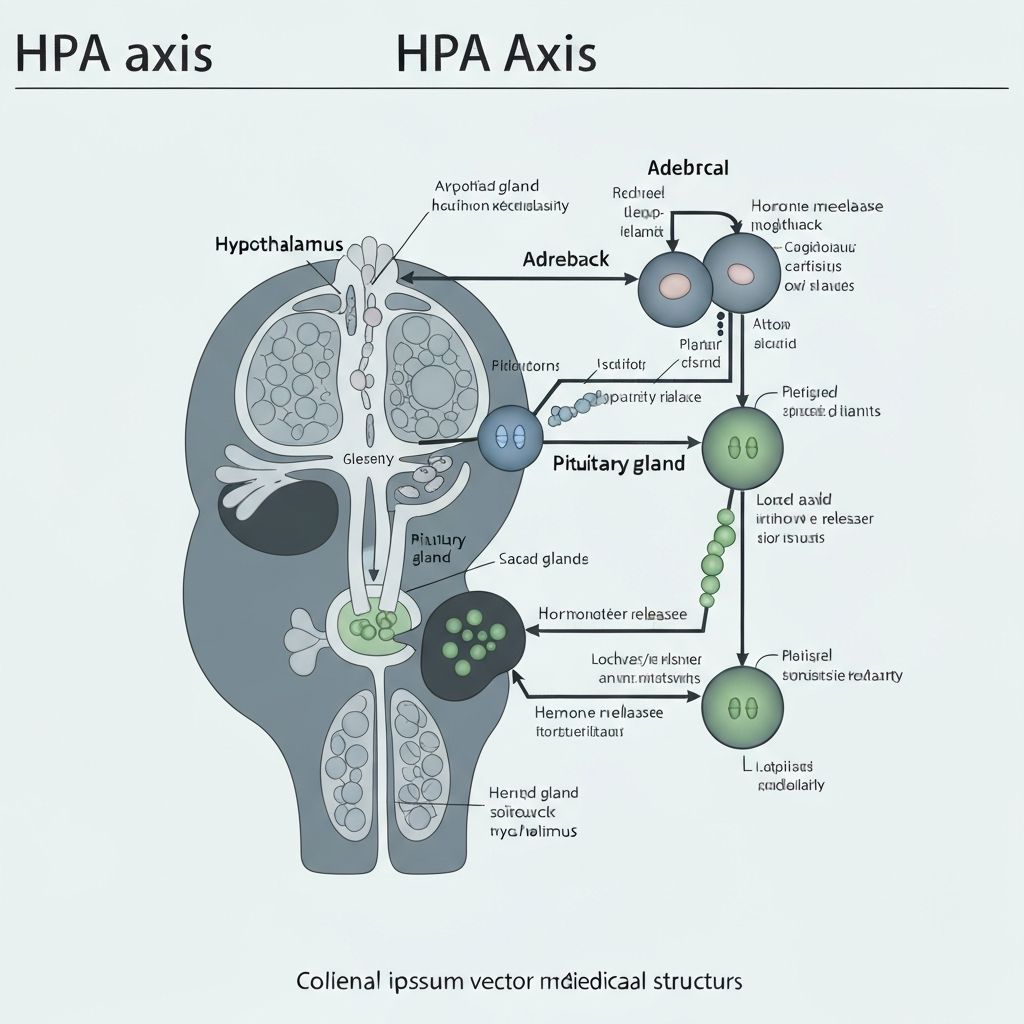
The HPA axis comprises three key anatomical structures:
- The Hypothalamus: A small region of the brain that integrates stress signals from both internal and external sources. Upon perceiving a stressor, the hypothalamus releases corticotropin-releasing hormone (CRH).
- The Anterior Pituitary Gland: CRH stimulates the anterior pituitary to synthesise and release adrenocorticotropic hormone (ACTH) into the bloodstream.
- The Adrenal Cortex: ACTH circulates to the adrenal glands, where it stimulates the zona fasciculata to synthesise and secrete glucocorticoid hormones, primarily cortisol in humans.
The Stress Response Cascade
When an organism encounters a stressor—whether psychological, physical, or physiological—sensory information is relayed to the brain. The hypothalamus integrates these signals and responds by releasing CRH. Within minutes, circulating cortisol levels rise substantially, initiating widespread metabolic and behavioural adjustments.
This acute cortisol elevation serves several adaptive functions:
- Increases blood glucose availability through hepatic gluconeogenesis
- Mobilises stored energy through lipolysis in adipose tissue
- Enhances cardiovascular function and oxygen delivery
- Modulates immune and inflammatory responses
- Suppresses processes unnecessary during immediate threat (digestion, reproduction, growth)
Negative Feedback and Regulation
The HPA axis operates under negative feedback control. Elevated cortisol concentrations feed back on both the hypothalamus and anterior pituitary, inhibiting further CRH and ACTH release. This mechanism ensures that once the stressor is resolved, cortisol levels decline and the system returns to basal activity.
In acute stress conditions, this feedback mechanism functions effectively, and cortisol levels normalise within hours. However, under conditions of chronic stress, the regulatory set-point of the system may shift, resulting in sustained elevations or alterations in cortisol secretion patterns.
Glucocorticoid Receptor Signalling
Cortisol exerts its physiological effects by binding to glucocorticoid receptors (GRs), which are present in virtually all cell types throughout the body. Cortisol-GR complexes translocate to the nucleus, where they regulate gene transcription. This molecular mechanism explains how a single hormone can orchestrate coordinated metabolic and behavioural responses across multiple tissues.
Circadian Rhythmicity of the HPA Axis
Under normal conditions, the HPA axis exhibits strong circadian (24-hour) rhythmicity. Cortisol levels are typically highest in the early morning (around 06:00–08:00) and decline progressively throughout the day, reaching nadir (lowest point) around midnight. This rhythm is driven by the suprachiasmatic nucleus and synchronized by light-dark cycles and behavioural cues.
Chronic stress can disrupt this normal circadian pattern, leading to flattened daily cortisol curves or altered timing of peak secretion—changes associated with metabolic dysregulation and behavioural alterations.
Clinical and Research Significance
Dysfunction of the HPA axis is implicated in numerous conditions characterised by abnormal cortisol secretion, including Cushing's syndrome (excessive cortisol) and Addison's disease (insufficient cortisol). Additionally, dysregulation of the HPA axis is observed in chronic stress-related conditions, depression, anxiety disorders, and metabolic syndrome.
Research examining the links between chronic stress and body mass accumulation frequently focuses on HPA axis function, as sustained glucocorticoid elevation is associated with metabolic changes and altered energy partition towards visceral adiposity.
Summary
The HPA axis is a finely tuned neuroendocrine system designed to coordinate acute adaptive responses to stressors. Through CRH and ACTH signalling, the system mobilises cortisol, which orchestrates metabolic and behavioural adjustments. Negative feedback normally restores basal activity once the stressor is resolved. However, under chronic stress conditions, sustained HPA axis activation and glucocorticoid elevation contribute to metabolic reshuffling and may influence body mass dynamics through multiple mechanisms.